What to choose 2JZ or RB26 / RBD26 DETT 🦦

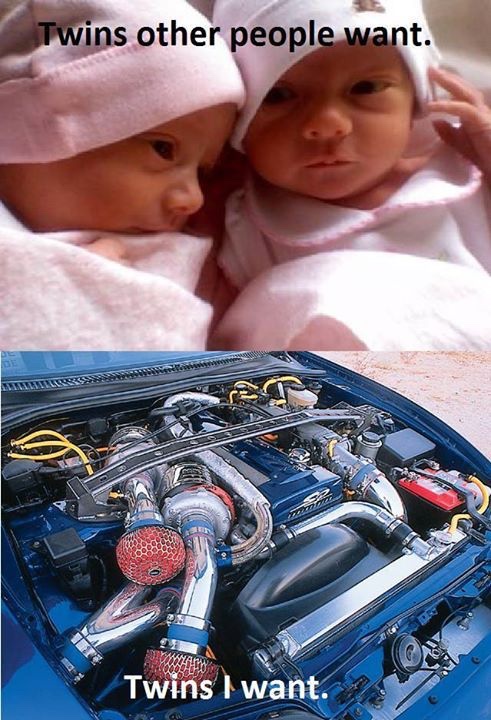
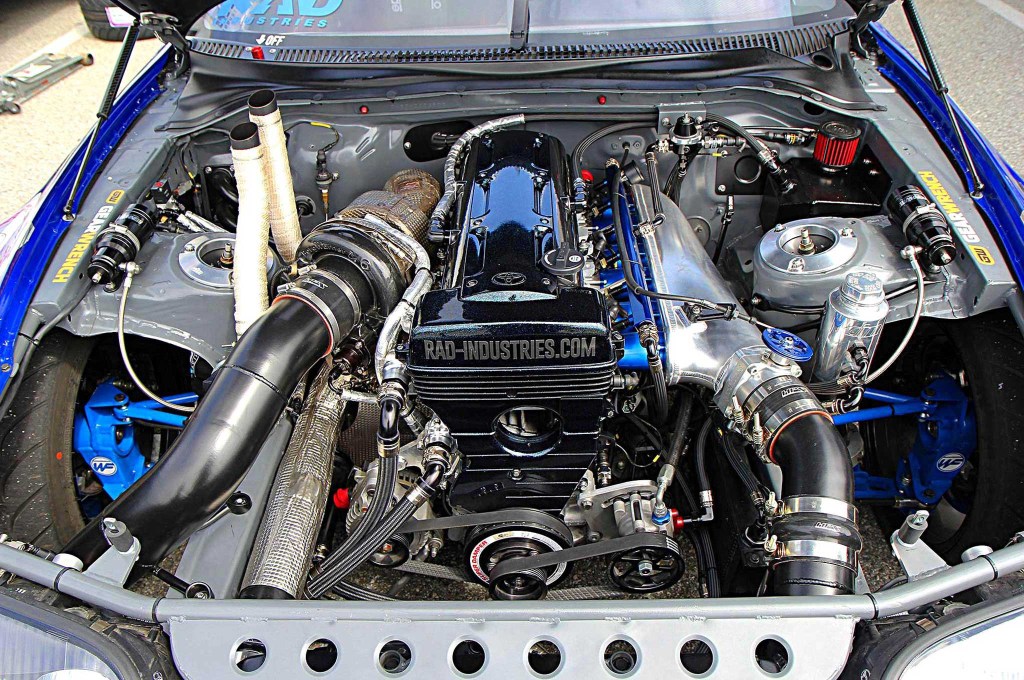
For starters, all versions of the 2JZ uses a cast iron block. That’s not great where weight is concerned, but for ultimate strength, it’s ideal. Points out that the 2JZ is a closed-deck engine, which means the cylinders themselves are quite strong. This is why the 2JZ-GTE can handle a ton of turbo boost pressure. You can force a lot of air through those cylinders without having to worry about the basic structure of the engine.

The 2JZ-GTE also benefits from a well-designed three-layer steel head gasket that can withstand high boost pressure without blowing. Then, there’s the forged steel crankshaft, which is particularly strong, and helps build rigidity to the engine

Essentially, Toyota went completely overboard when designing this engine. It shares a lot of design characteristics with a high-compression turbo-diesel truck engine, but it’s a gas-powered sports car engine. It’s almost as if Toyota designed the 2JZ with boost-hungry tuners in mind from the outset.

When you can take a humble 3.0-litre six-cylinder engine, leave the bottom end completely untouched and crank out over 1,000 horsepower with nothing more than a turbo and some big injectors, you know you’re working with a absolute beast of an engine.

The iron block, closed deck, inline six design was built to handle enormous power in its stock form. 700hp to 800hp can be supported with just a single turbo conversion, upgraded fuel and tuning.
2JZ

.

.

RB26 / RBD26 DETT

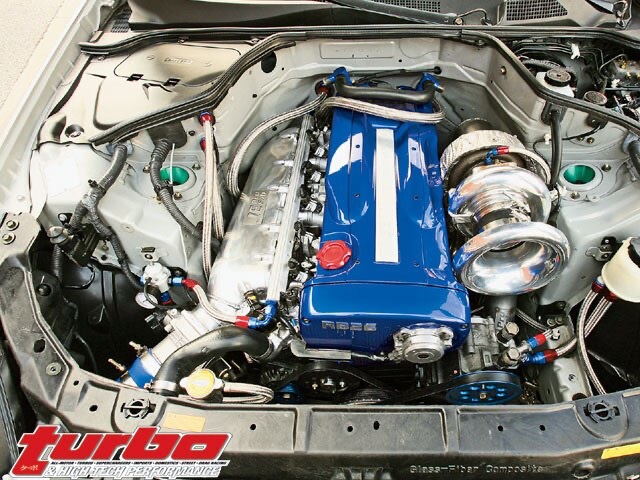
It’s a Nissan Patrol. RB stands for Race Bred. 25 stands for displacement. D for double overhead cam. E for fuel injection. We’re huge fans of Nissan’s RB engine, and the RB25DET is best known for being in a variety of Skylines,

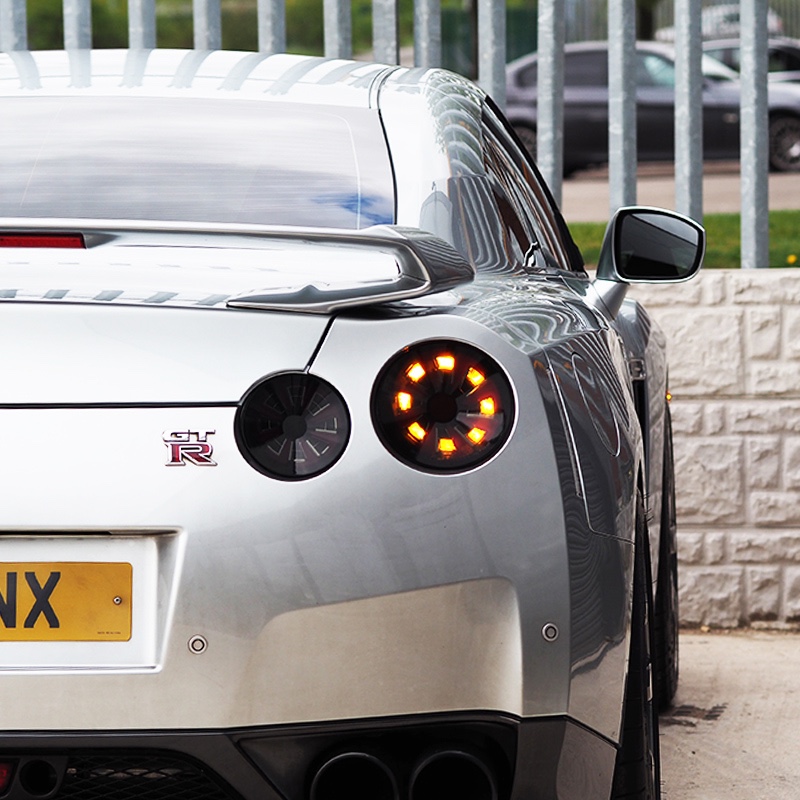
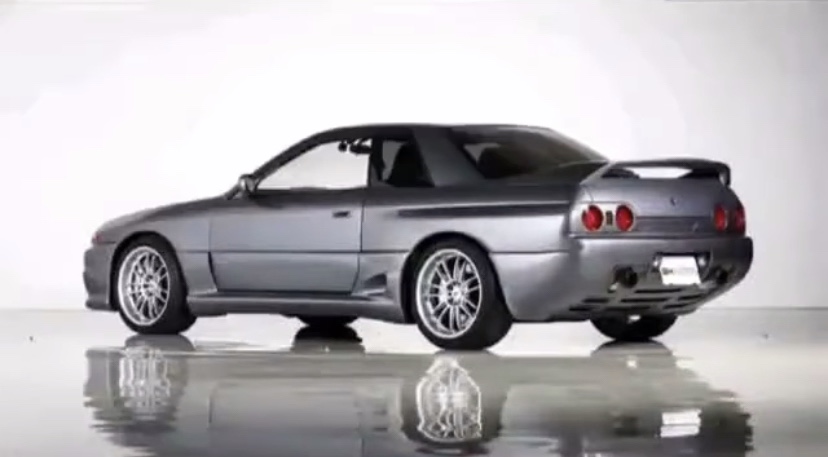
Nissan released its Skyline GT-R for the first time since 1973 with the BNR32. Designed with high performance and racing in Group A competition as its primary objective, Nissan engineers equipped the Skyline with the largest and most powerful version of its RB engine series, the RB26DETT. The inline six-cylinder engine is based on an iron block and an aluminum cylinder head. The RB26DETT featured a relatively short 73.7mm stroke that permitted high engine speeds. The stout RB26 block was also available in an N1 variant for N1 endurance competition, which featured additional ribbing for strength. The third and most valuable version was the GT block.
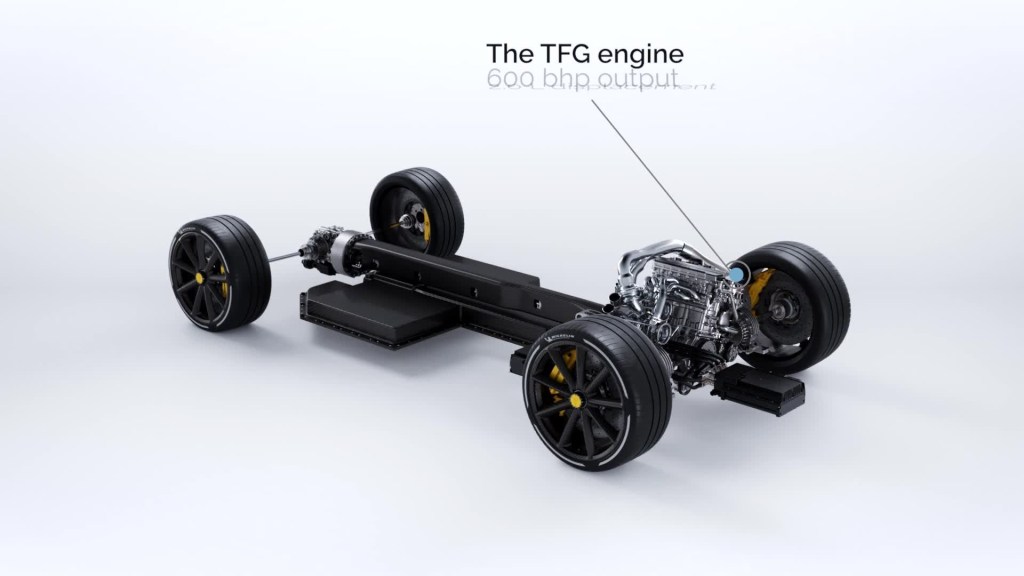
How a 2.0L engine made a super-car!😱

The Koenigsegg, on which you can count on to do things differently. Take the Swedish brand new car. The Gemera, a 1700HP four seat hybrid GT. It can crest up to 250mph. Well that’s what a super car does! Interesting fact about this Koenigsegg is slight different from other super cars! It’s the 2.0L engine twin turbo charged 3 cylinder engine which produces massive 600HP.

Yes, you heard it right! A 2.0L engine doing the big magic! Koenigsegg calls this as TFG – Tiny Friendly Giant. This engine comes with no camshafts. A big stroke engine and a super turbo which is ingenious to give massive outputs! This technology is used from the company- Free-valve!

Free valve- has done this things to a different level. Like the Valve opening and closing time, variable lift off, pneumatic springs (optimised for every force of condition) , and the actuators. This magic of free valve takes things to a different level making the Gemera acquire 600NM of torque, a less weighted 70KG engine.

Taking things on a different note and comparing it with the BMW X5 shows how the Koenigsegg does it differently!

The BMW X5 engine produces 600HP from a 4.4L twin turbo V8, well those are very huge numbers, although the weight plays a different role here, the gemera engine has 50% displacement and 70% smaller engine compared to X5. At higher valves, second valve opens and exhaust gases are sent to both turbos, allowing the pistons to move faster and red lines at 8500 RPM 📛. That’s a lot to burn for! The Koenigsegg is the company to learn from!

R32 zero R – The endangered JDM species

You might’ve heard about legendary cars like the NISSAN R35 and the R32

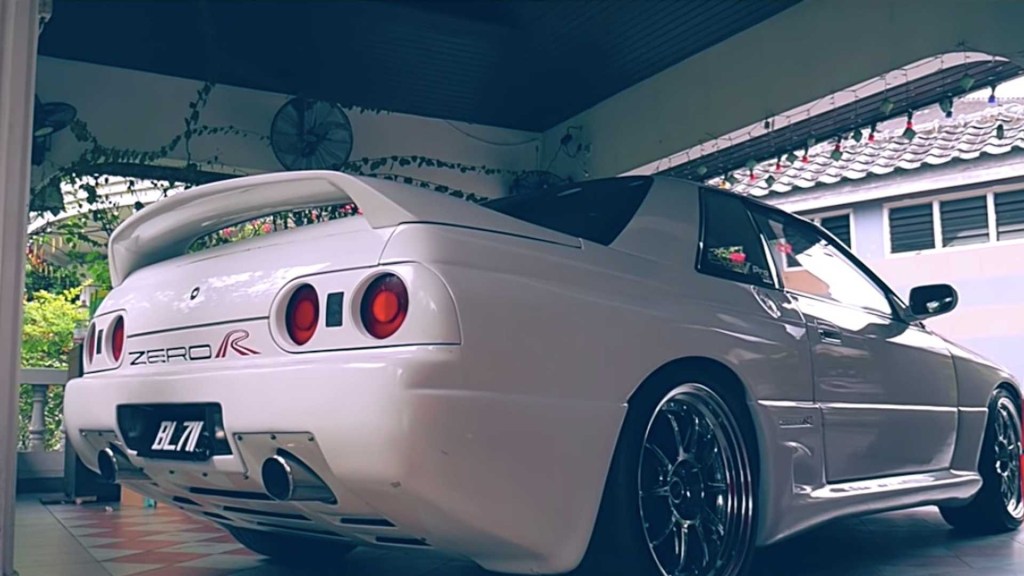
The Skyline R32 HKS Zero-R showed up in the early 1990’s when HKS was building high performing road cars. The engine was powered by the R34 generation, which is probably famous for its sheering horsepower. The turbocharged engine generated 600HP from six straight pipes! Even though the car was built by the NISSAN! you will not find any Nissan badges anywhere on this car, this is a complete HKS Built!

But have you heard about R32 HKS Zero-R ! Probably no, It is one of the rarest and powerful car ever made! Yes, only 10 were made! On an estimation, there are only 4 left right now! Out of which 3 exists in Japan- Hometown of JDM

You might find this weird! But it is a two seater car because HKS were forced to remove the fuel tank from underneath the car to make space for the twin exhaust system design! Of course putting such a big mass high up the chassis does nothing at all for handling, but this variant feels worth it to create a unique read end!

Rear end of R32 HKS

Evolution of Toyota Supra

JDM- Japanese Domestic Motor

* It’s just that the Japanese engine tend to hold themselves to higher standards so their cars, the ones sold only in Japan,tend to be better. Also, the sheer power of a JDM car and modularity is unmatchable to any other badass on the road*

In the market of JDM,

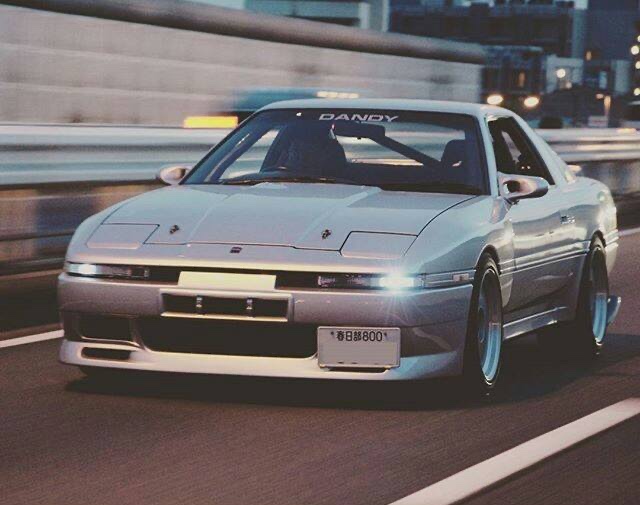
Toyota supra had already put up it’s name on the top from it’s flagship model, Coming all the way from 1978, toyota has never disappointed car enthusiasts till date!

WHAT MAKES THE TOYOTA SUPRA SO LEGENDARY?

Toyota went completely overboard while designing this engine. It shares a lot of design characteristics with a high-compression turbo-diesel truck engine, but it’s a gas-powered sports car engine. It’s almost as if Toyota designed the 2JZ with boost-hungry tuners in mind from the outset.

GENERATIONS OF TOYOTA SUPRA

Toyota manufactures have made 4 generations for the supra

These generations left automotive enthusiasts stun with it’s sheering 2JZ GT (Grand tourer) engines

First generation (Celica XX)

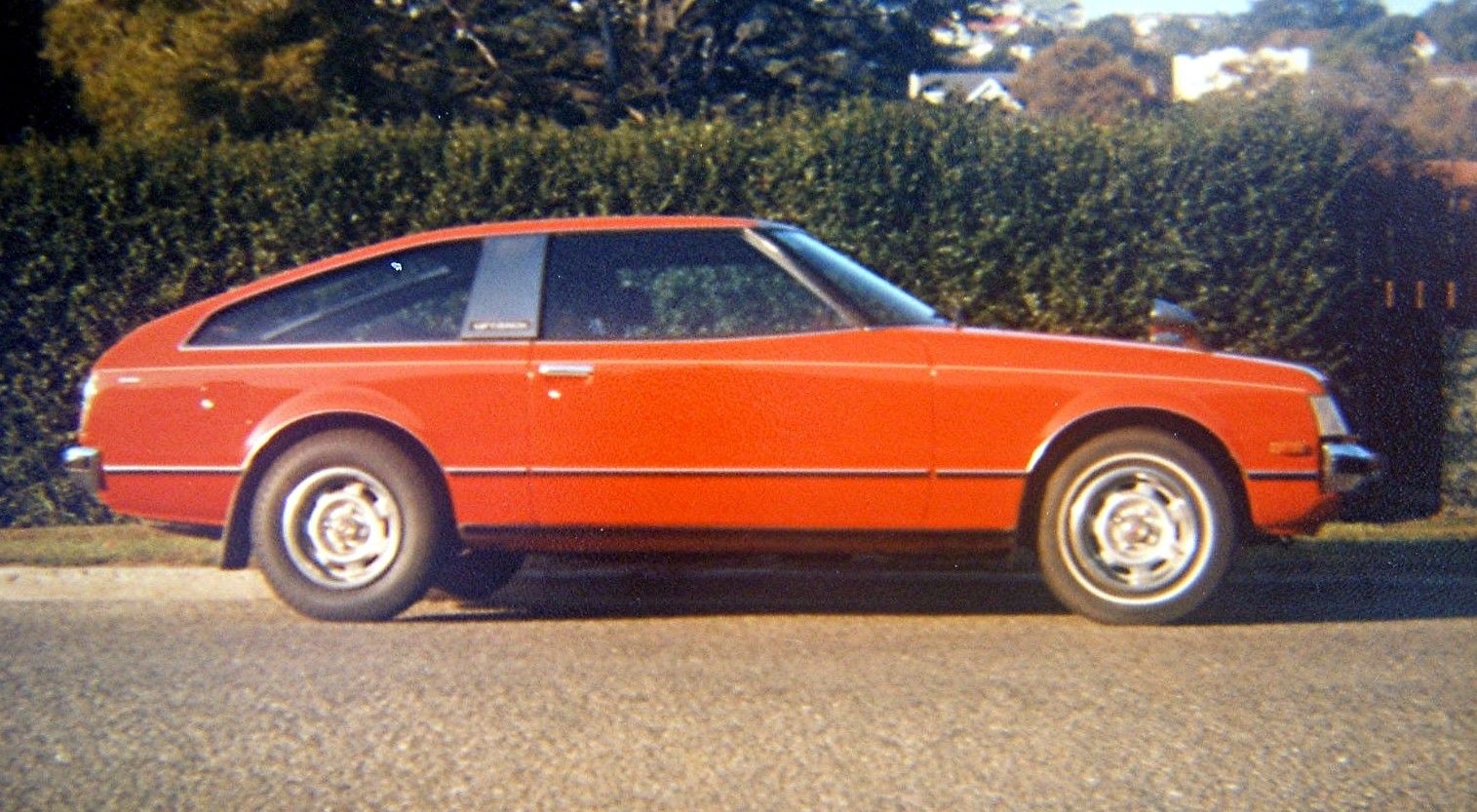
All the way from 1978 toyota makes it’s first Supra model! It was called the “Celica XX” as the design came all the way from Toyota Celica.

TOYOTA CELICA

TOYOT SUPRA CELICA XX

ENGINE SPECS OF TOYOTA CELICA XX

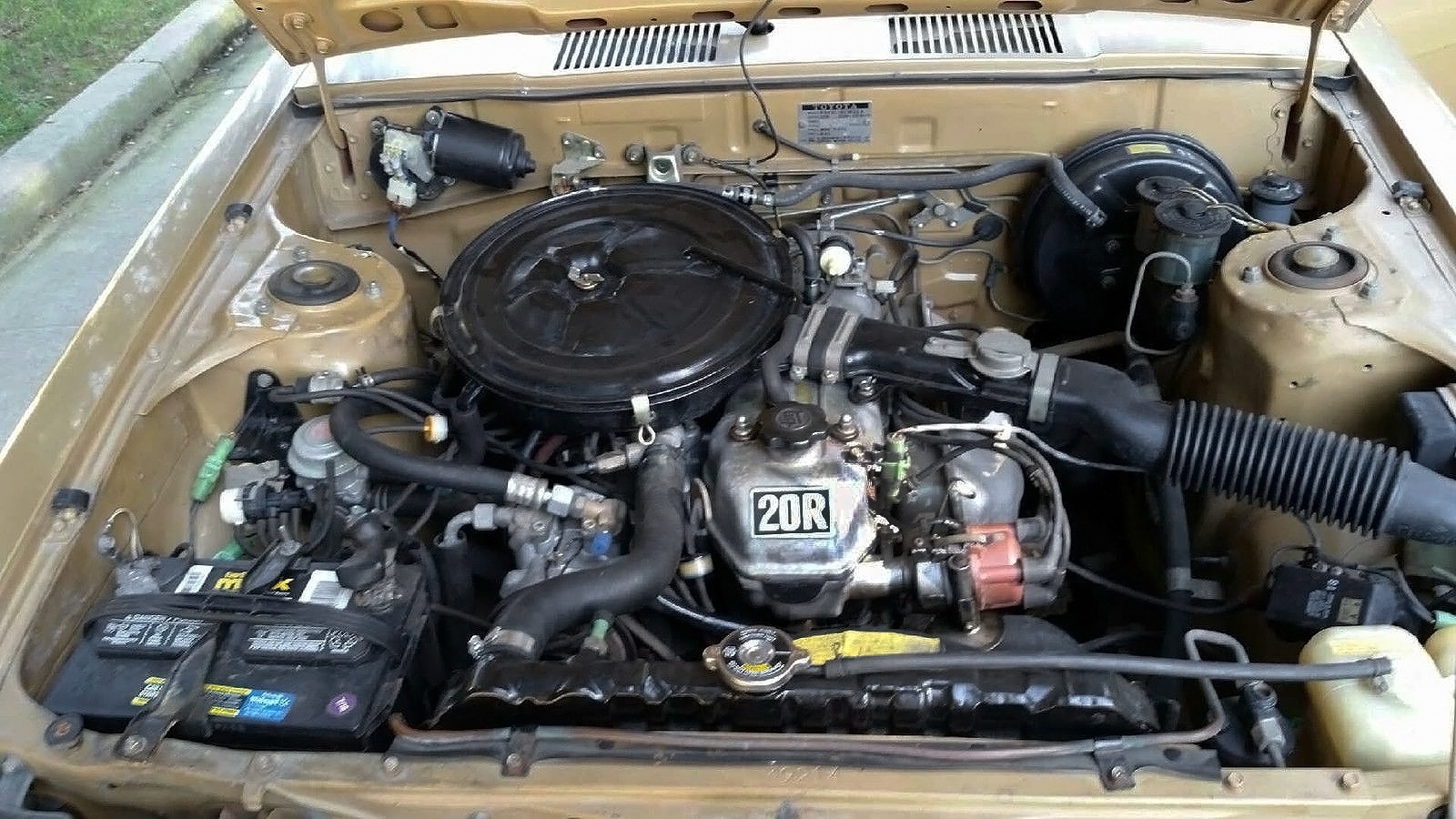
The Celica XX was the flagship model from 1978 version of supra came along with tremendous power of 2800cc Grand tourer engine! The engine left remarkable with it’s 6 cylinder DOHC (Double overhead Camshaft), Located right above combustion chamber. So that one can operate an intake valve and other goes to operate external valves, which initially helped engine produce 123Horse power. These engines were equipped with electronics fuel injection. The car also came standard with 4-wheel disc brakes and featured a four linkrear suspension with coil springs, lateral track-bar, and stabiliser-Bar. The front suspension consisted of MaC Pharson and a stabilizer bar.

1978 CELICA XX SUPRA ENGINE

SECOND GENERATION (Redesigned Celica XX) 1981

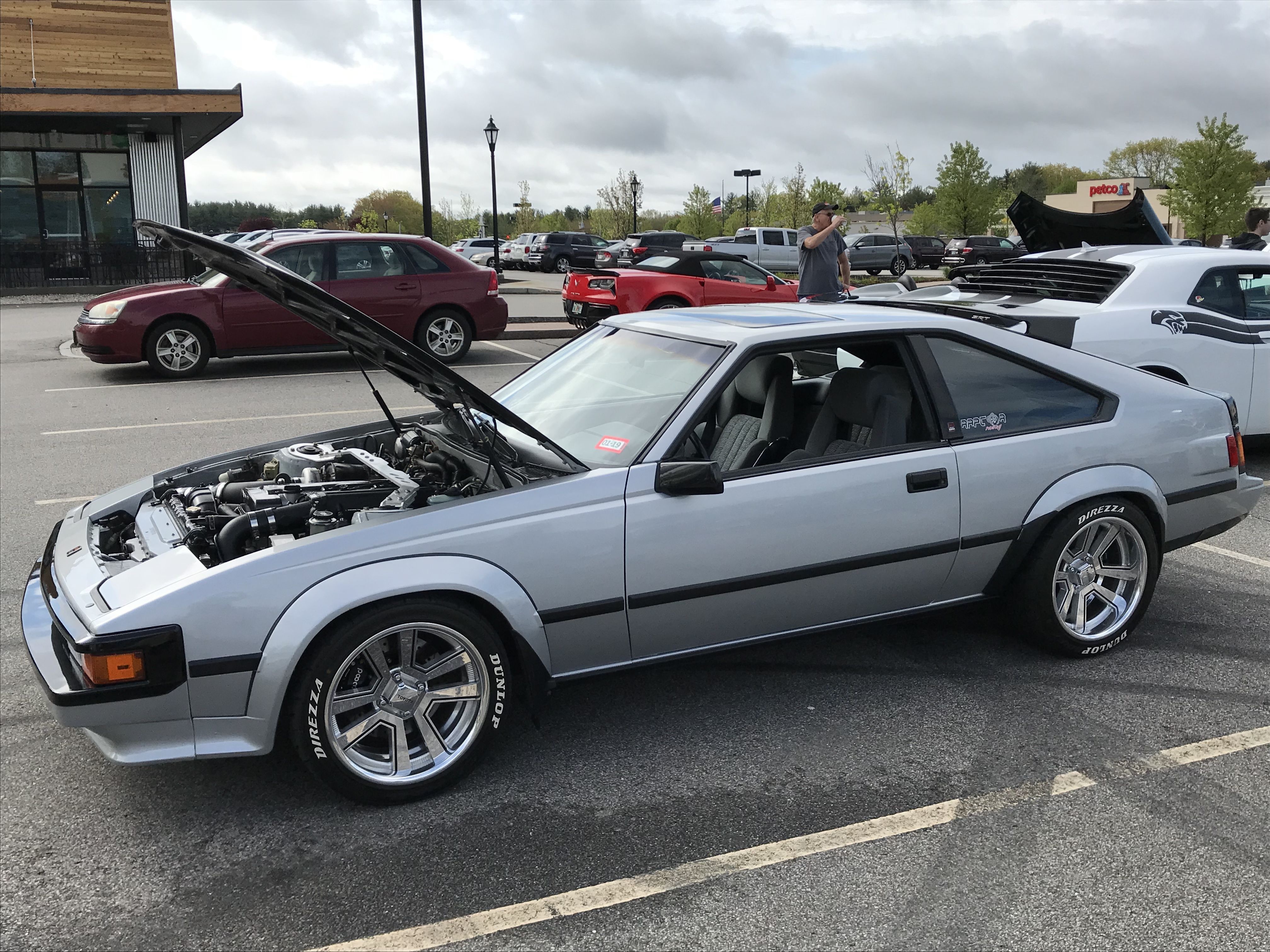
In mid 1981, Toyota completely redesigned the Celica Supra as well as the entire Celica lineup for the 1982 model. The car was still known as Celica XX for the Japanese market,But for the land of car enthusiasts (North America) it was called as Celica Supra A40

In the North American market Toyota offered 2 variants, known to be L-type and P-type

L-type stands for luxury type

P-type stands for performance type

Though they were mechanically identical. Based on Celica platform they could be differentiated by it’s front end and fully retractable pop-up headlamps

The redesigned Celica Supra (p-type) came with a little lesser engine output of 2759 cc when compared to 1978 Celica,though it came along with 12Valve cylinder engine and the same Dual overhead camshaft equally distributed to 6 internal valve and 6 external valve same as in 1978. This engine produced 210Nm of torque with it’s 5 speed manual gearbox.

THIRD GENERATION 1986

Third generation is all time favourite for automotives enthusiasts as it came with twin turbo GT engine. This twin turbo engine left every enthusiast voice-less. This engine varies all the way from a 1988cc to 2989cc displacement. The design came from toyota Sourer with variety of changes in engine. This supra was the first one to give out twin turbo charge which gave thunderstruck amount of torque.

Toyota offered this generation in 7 variants ranging all the way from 2.0l to 3.0l of power!

The best variant came along with 1988cc of displacement along with Twin turbo charger. This variant was the only variant to get twin turbos where the rest variants did not! It came along with a 5 speed gearbox! This particular variant amazed all the other variants as it had a twin turbo charger.

FOURTH GENERATION 1993

In the early 1993, toyota manufactured it’s fourth generation of supra. Completely redesigned by Lexus SC ( First generation) and 1981 Toyota soarer . This generation had to keep up its legacy after 13 years from the older generation. This car was rebuilt so that it could get the genes from a fighter jet! It made a remark in the film industries as well, including F&F.

This generation offered only 2 variants only, both of which offered 2997cc displacement, only notable difference was the twin charger in one variant! The one with twin charger goes to a top speed of 257kmph while the other without twin charger went upto 175kmph. Both of these variants were naturally aspirated engines came along 6 speed manual MK-IV gearbox. The car had alloy steering wheel, single pipe,plastic gas tank,dished out bolt outlets making the car lesser in weight and adding more power outlet!